Home » Articles posted by Tomislav Hrga
Author Archives: Tomislav Hrga
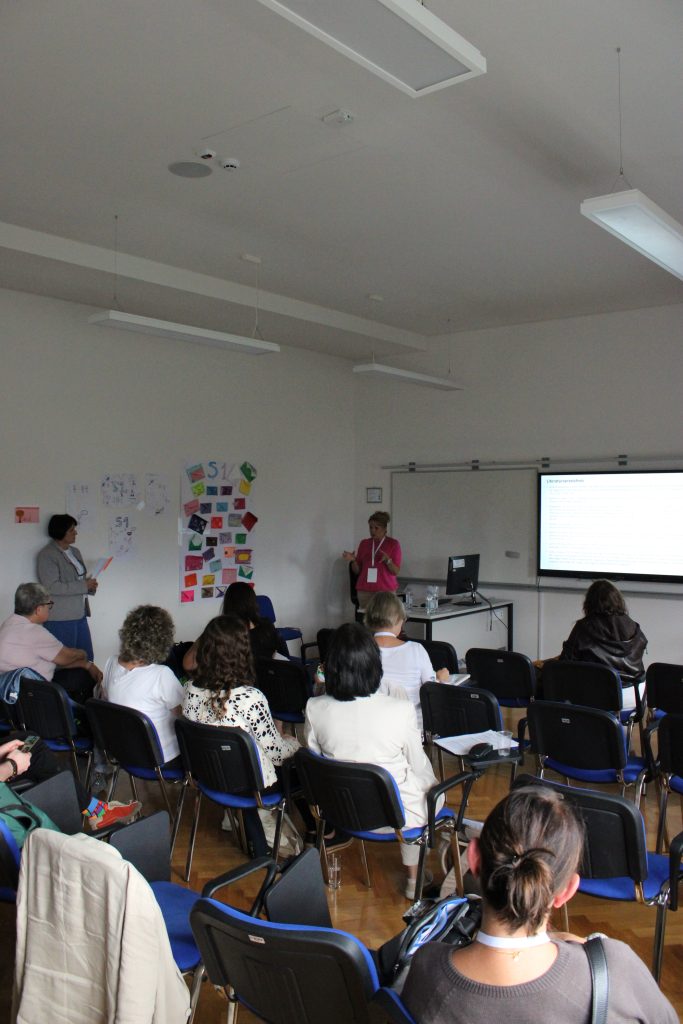
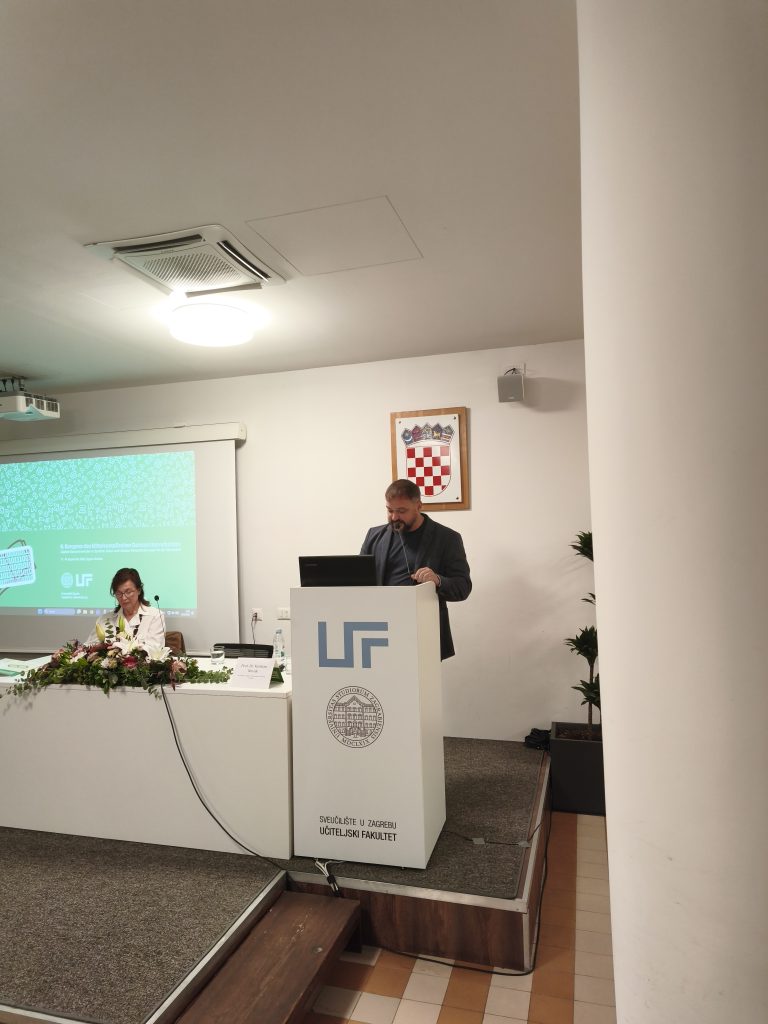
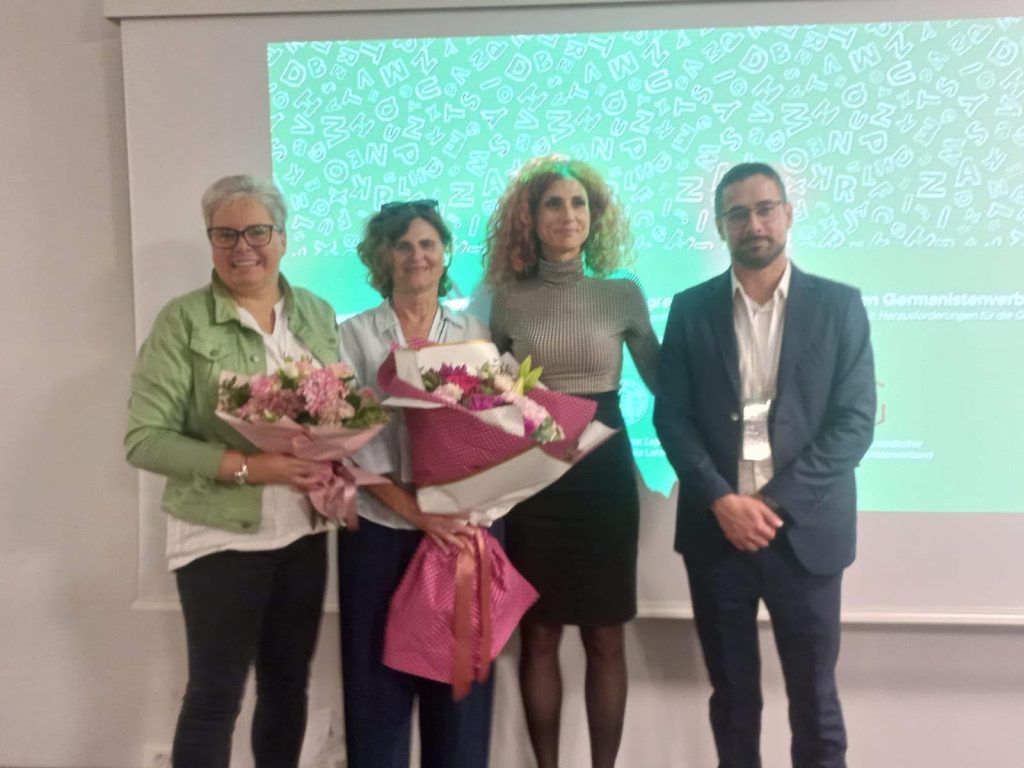
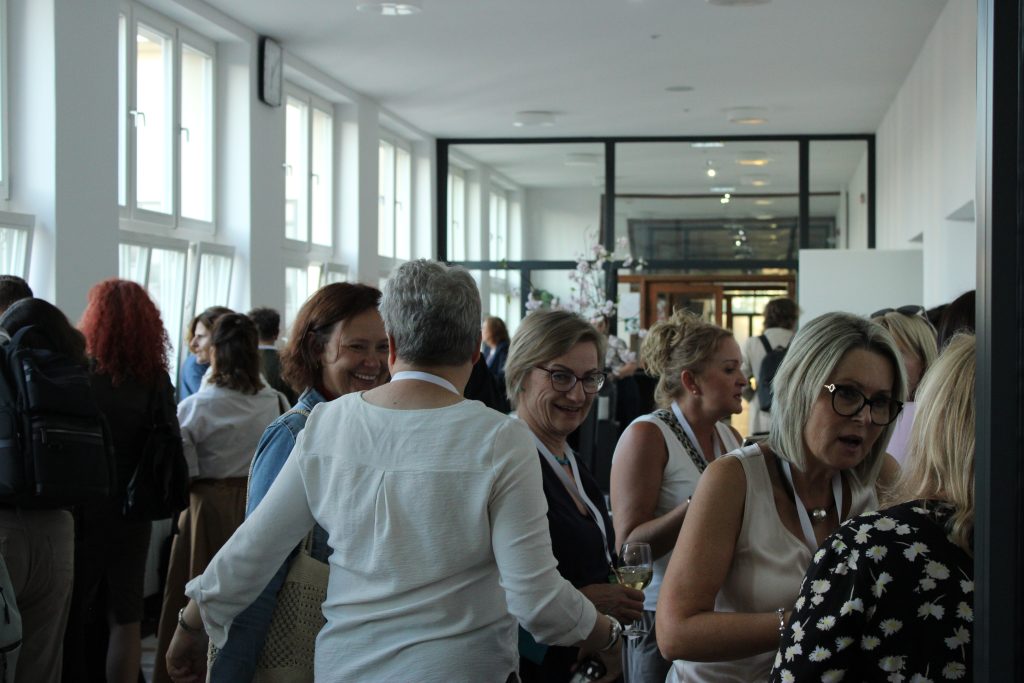
The 8th Congress of the Central European Association of Germanists (MGV) held at the Faculty of Teacher Education University of Zagreb
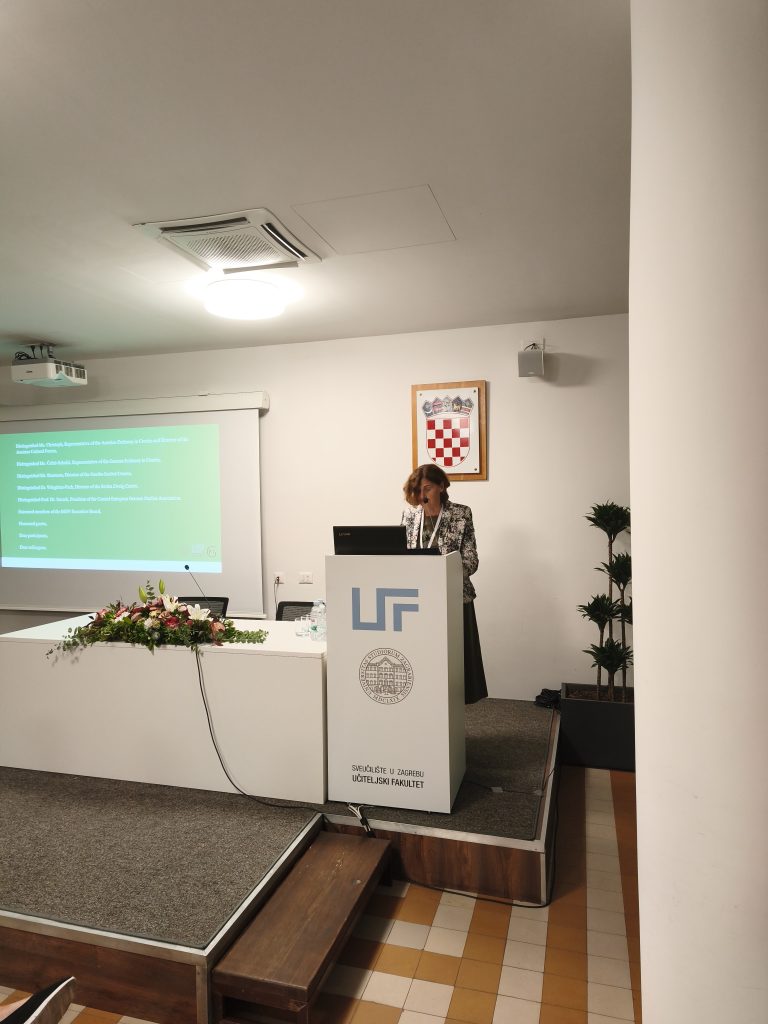
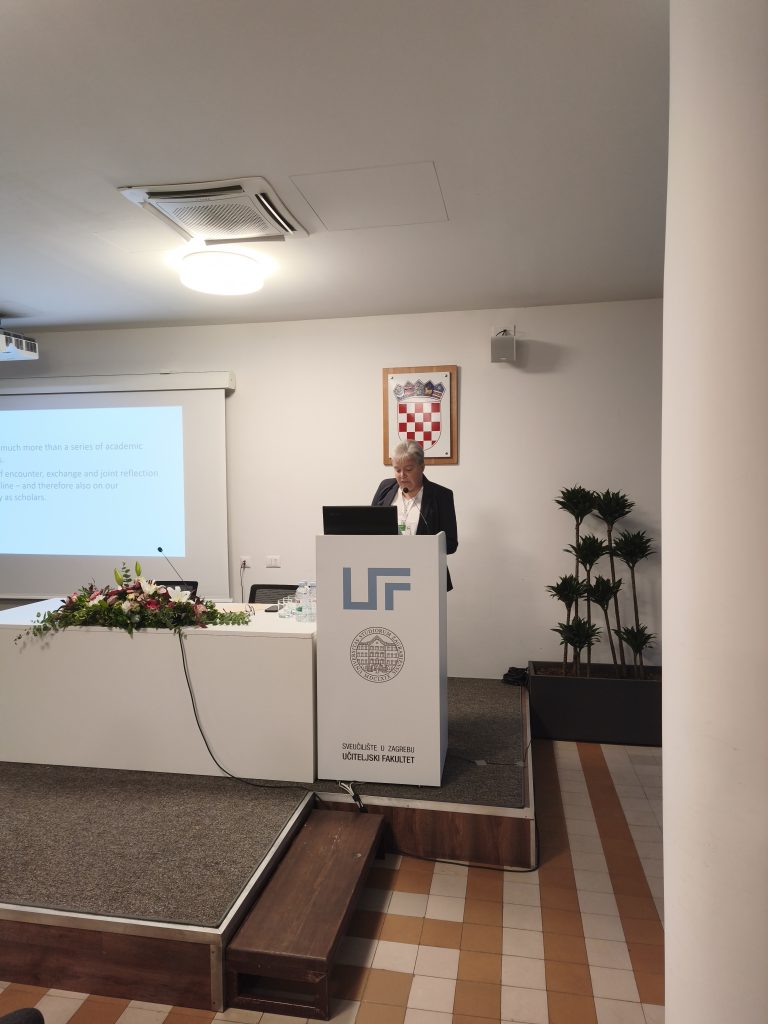
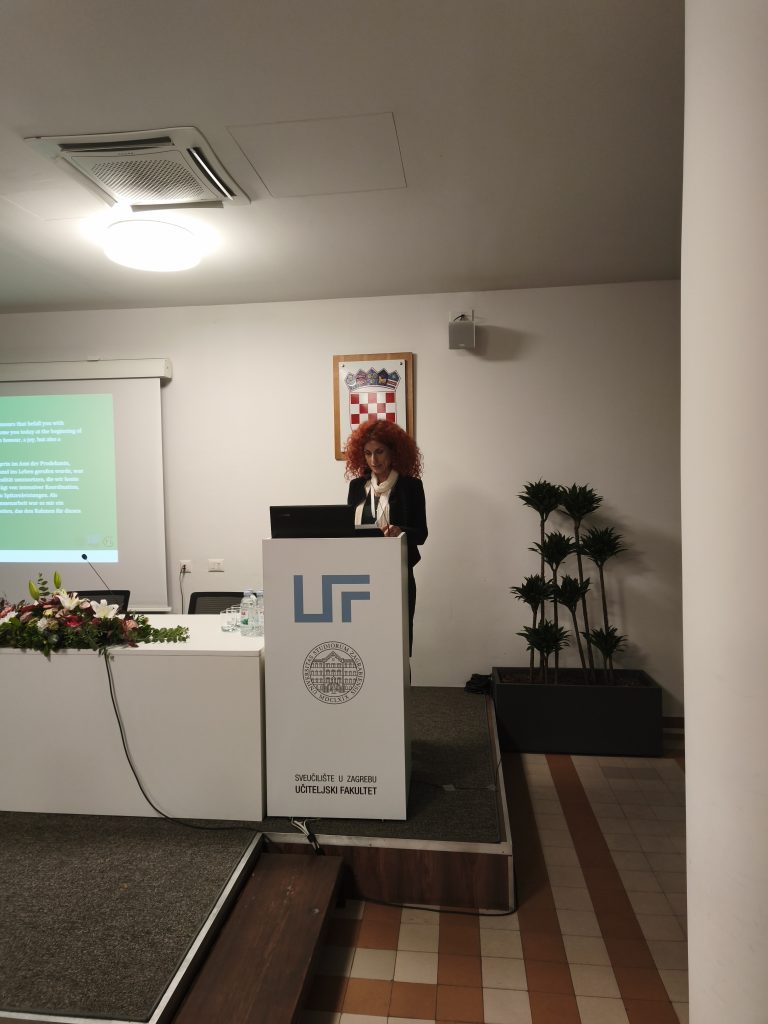
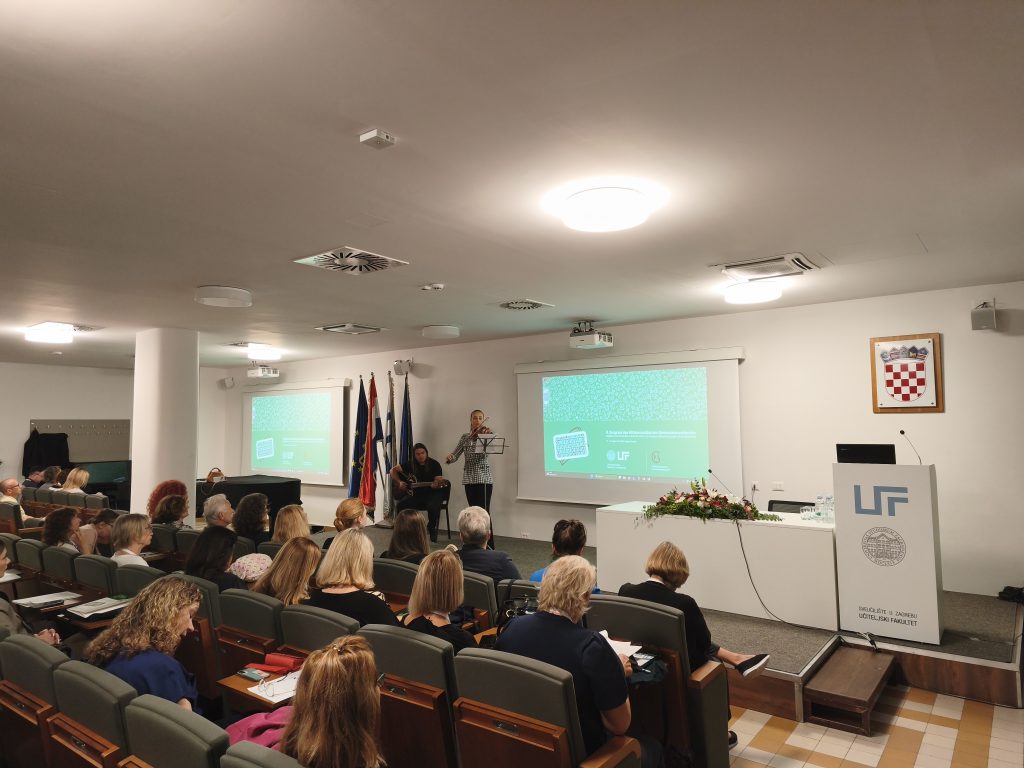
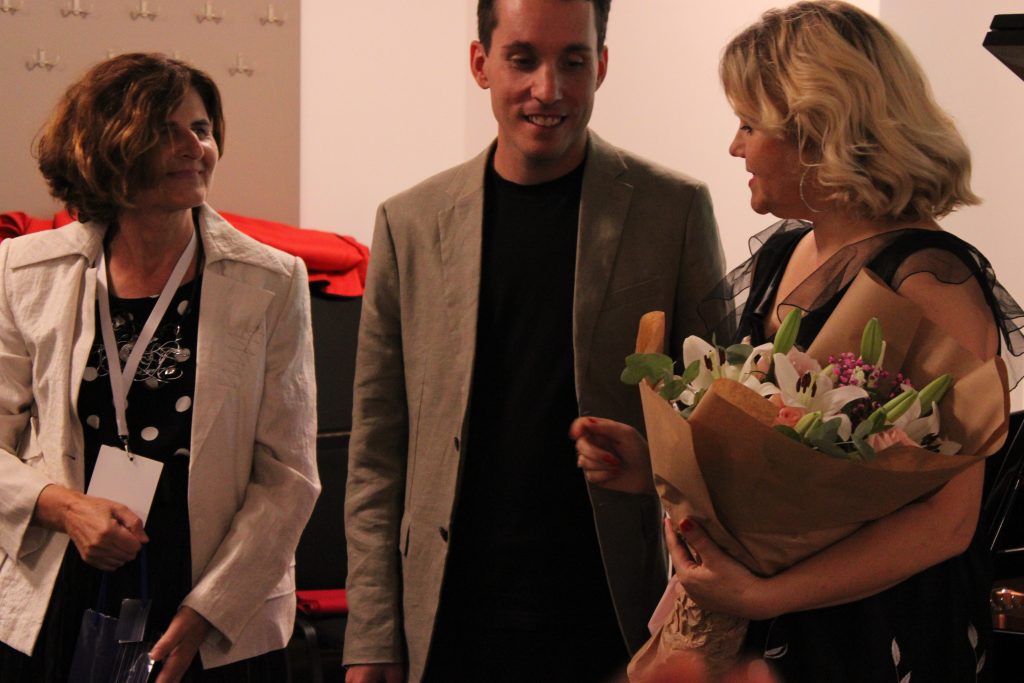
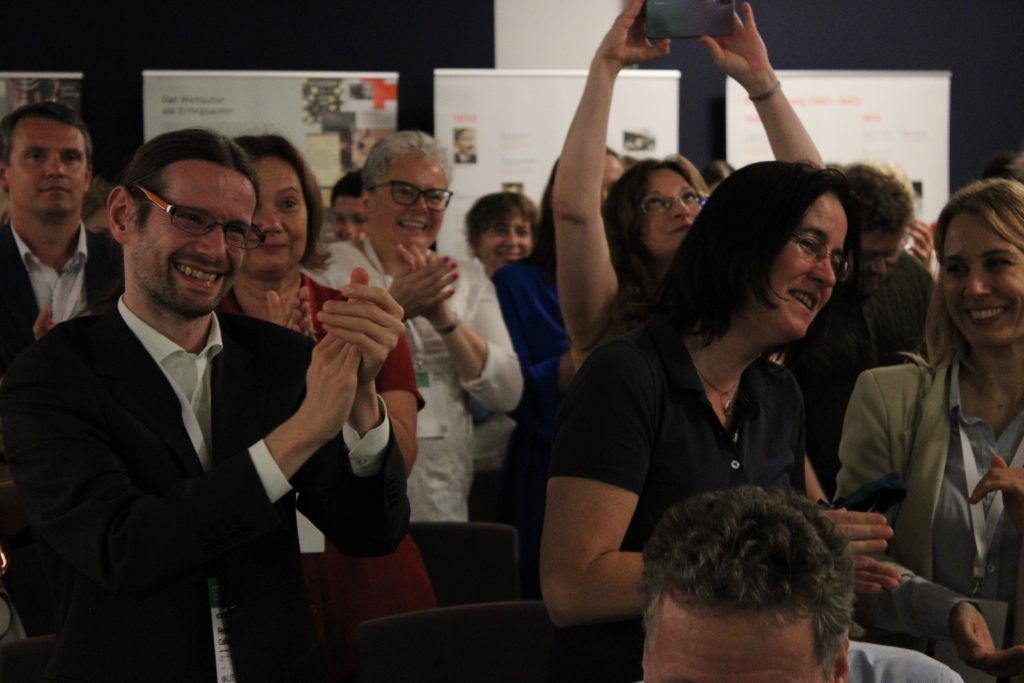
The 8th Congress of the Central European Association of Germanists (MGV) was held at the Faculty of Teacher Education University of Zagreb from 17th to 19th September 2026.
The congress was supported by the Austrian Cultural Forum and the Goethe-Institut Zagreb. It brought together more than a hundred presenters from 18 countries – Germany, Austria, Switzerland and Spain to Finland, Poland, Italy, Spain to Hungery, Romania, Kazakhstan, Georgia, etc. The topic of the congress was Digital Turning Points in Language, Culture, and Literature: Challenges for German Studies. The central focus the discussions was how digitalization and artificial intelligence are transforming language, literature, culture, and German language teaching.
Keynote lectures were delivered by:
Prof. Dr. Marion Grein (Johannes Gutenberg University Mainz) who thematized AI in teaching German as a foreign language.
Prof. Emer. Zygfryd Gehrmann (Center for German and European Studies, Zagreb) who spoke about cultural transmission in the era of globalization.
Prof. Dr. Georg Schuppener (Comenius University Bratislava / Cyril and Methodius University in Trnava) whose talk was on the possibilities and limits of AI in text comprehension.
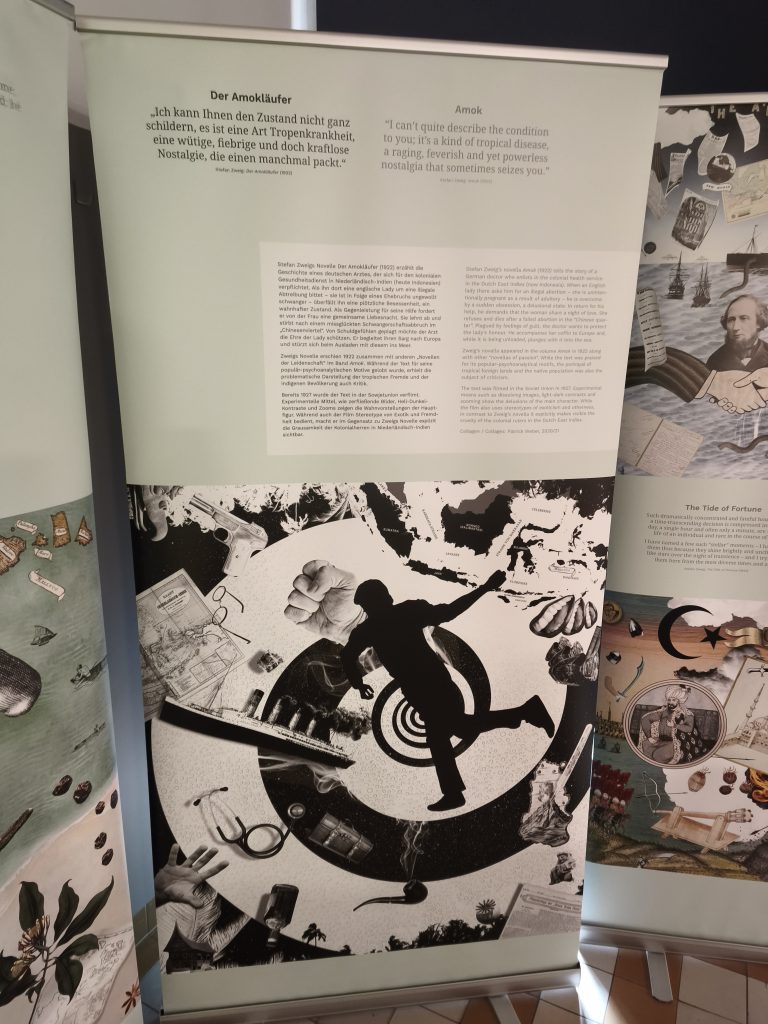
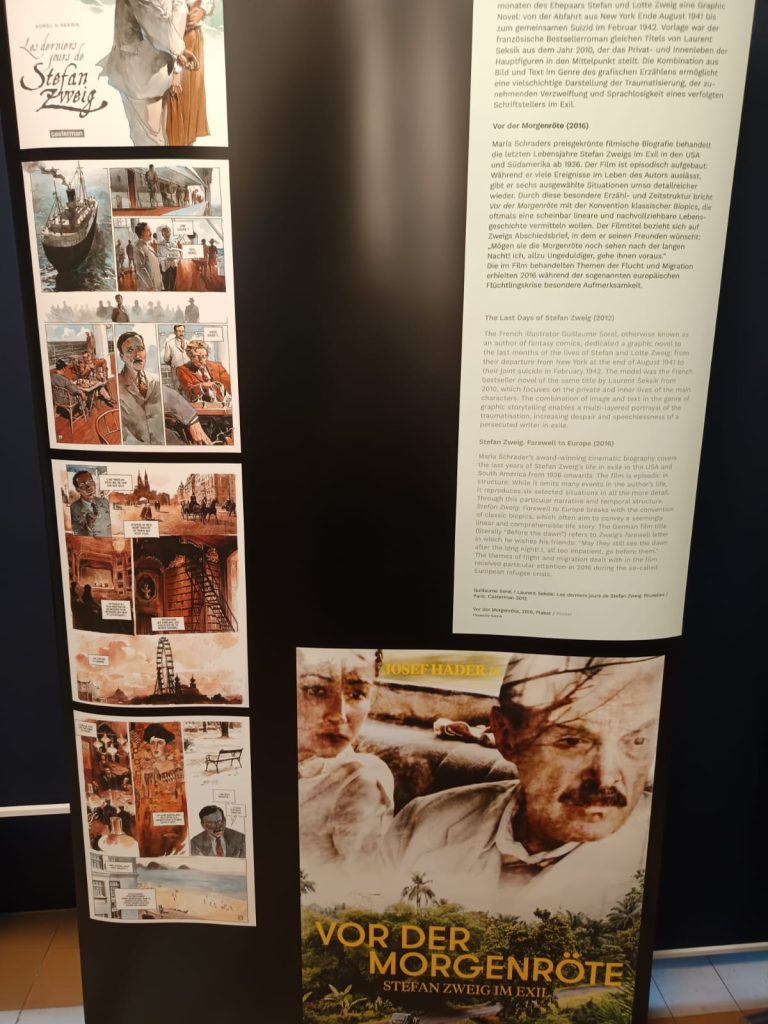
The program was further enriched by the well-known Croatian author Prof. Dr. Kristian Novak, who thematized writing novels with the help of AI, and Dr. Martina Wörgötter Peck, who gave a speech at the opening of the exhibition dedicated to Stefan Zweig.
The academic working sessions covered five sections: linguistics, literature, cultural studies, glottodidactics, and an English language section. Alongside the academic program, participants attended the opening of the exhibition dedicated to the famous Austrian writer Stefan Zweig, enjoyed an excellent concert by Margareta Klobučar and Stipe Bilić, and concluded their visit with a guided tour of the city of Zagreb.
With the conclusion that digital changes present both a challenge and an opportunity, the congress successfully confirmed the Faculty of Teacher Education’s position as a recognized center for German studies research and international cooperation.
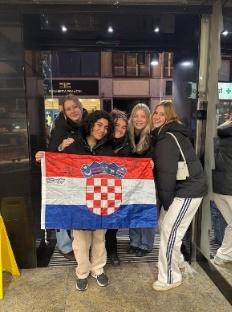
Marie Spitzer – Erasmus+ study mobility – incoming student from Pädagogische Hochschule Freiburg (Germany)
I decided to study at the Faculty of Teacher Education because it is a partner institution of my home university, which means I can count some of the courses toward my degree. I also wanted to study in Zagreb/Croatia to get to know the country and the region better.
The professors at the faculty are very friendly and have always helped me with any questions I’ve had. The classes were easy to follow and prepared me well for the exams. To organize your classes so that they don’t overlap, you have to talk to the professors personally to find out when each class takes place and put together your own schedule.
That was a bit challenging at first, but it worked out well in the end. Our buddies (Croatian students from the faculty) were always available to answer any questions we had about these issues.
I lived in a shared apartment with other international students. I found this apartment through the website roominzagreb.com. I paid about 450 euros a month for it, and grocery costs are a bit lower than in Germany. For students, the menza is a great option (a meal costs less than 1 euro), though there are hardly any vegan options there. I got around mostly on foot or by tram. Both work well—the trams aren’t always exactly on time, but one usually comes along. Tram tickets aren’t expensive: a single ride costs 53 cents, or you can get a monthly pass for 15 euros if you ride often.
Especially at the beginning of the semester, I found the ESN activities very useful and helpful for getting to know new people and the city. Since there are so many international students studying in the university’s various departments but brought together through events like these, you can meet a lot of great people very quickly here. Otherwise, there’s plenty to do in the city—I spent a lot of time in the bars, cafes, and parks. You can also take wonderful trips by train or bus from Zagreb to other Croatian cities or abroad.
Alona Kriuchka – Erasmus+ study mobility – incoming student from Poltava V. G. Korolenko National Pedagogical University (Ukraine)
Studying at the University of Zagreb through the Erasmus+ exchange programme was a very important experience for me. I am a student at Poltava V. G. Korolenko National Pedagogical University (Ukraine), and I chose the Faculty of Teacher Education (UFZG) for my exchange studies. It is one of the oldest teacher education faculties in Croatia, with an excellent reputation for preparing future teachers using modern teaching methods.
The learning process was interesting, intensive, and highly practical. In almost every class, we completed practical tasks, worked in groups, discussed different topics, and applied our knowledge in practice. I was also pleased to learn that Ukrainian has been taught at the University of Zagreb for many years. One of the main goals of the programme was to improve our English to the C1 level, so a great deal of attention was given to communicating in English.
All the lecturers were friendly, approachable, and always willing to help. They did not simply give lectures but encouraged students to express their own opinions, ask questions, and work independently. This teaching approach made learning more engaging and motivated me to continue developing my knowledge and skills.
During my studies, I lived in the Dr. Ante Starčević Student Dormitory. The accommodation was comfortable, and the monthly fee was only €82, which is very affordable for students. Another great advantage was the student dining system. With a student card, I could buy a full meal in the university cafeterias for less than €1. This made it possible to eat well while saving money.
Life in Zagreb was very active and exciting. Thanks to the Erasmus+ programme, I met students from many different countries. We worked together on assignments, completed group projects, and communicated in English every day. This experience helped me develop teamwork skills, better understand other cultures, and become more confident when communicating with people from different backgrounds.
The ESN also played an important role in student life. It organised city tours, social events, cultural activities, and trips. These activities helped international students make friends, adapt more quickly, and feel at home in a new country.
I would recommend studying at the Faculty of Teacher Education to anyone who wants to become a modern teacher, improve their English language skills, and gain international experience. The programme offers not only valuable academic knowledge but also opportunities to develop teamwork, public speaking, critical thinking, and practical teaching skills.
Verena Stihler – Erasmus+ study mobility – incoming student from Pädagogische Hochschule Freiburg (Germany)
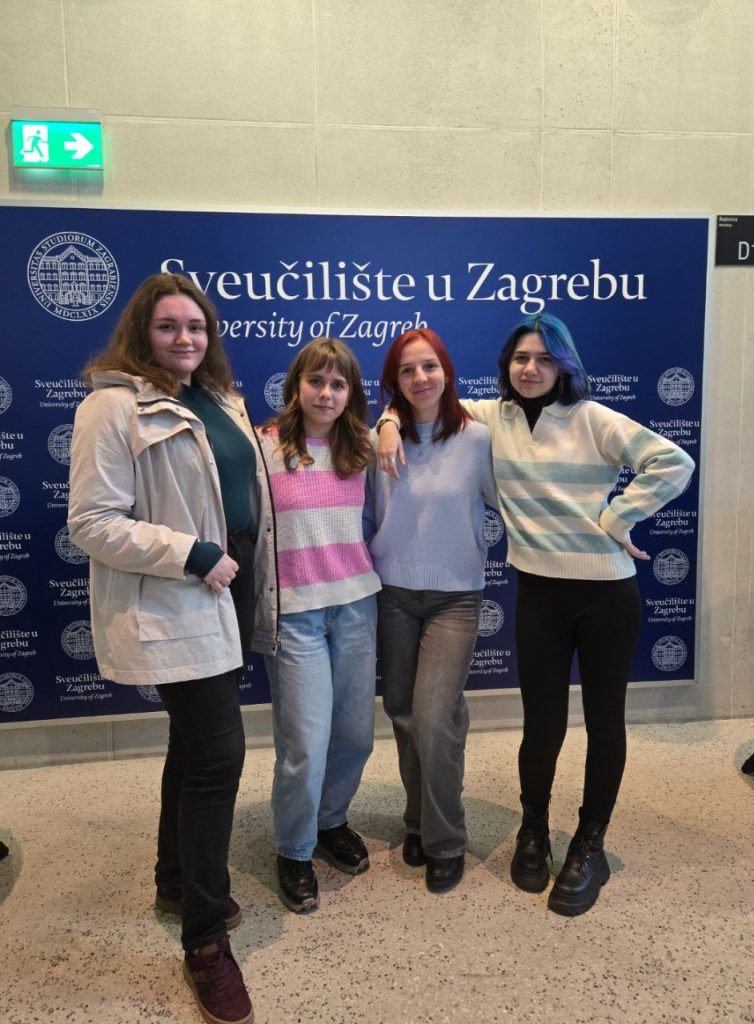
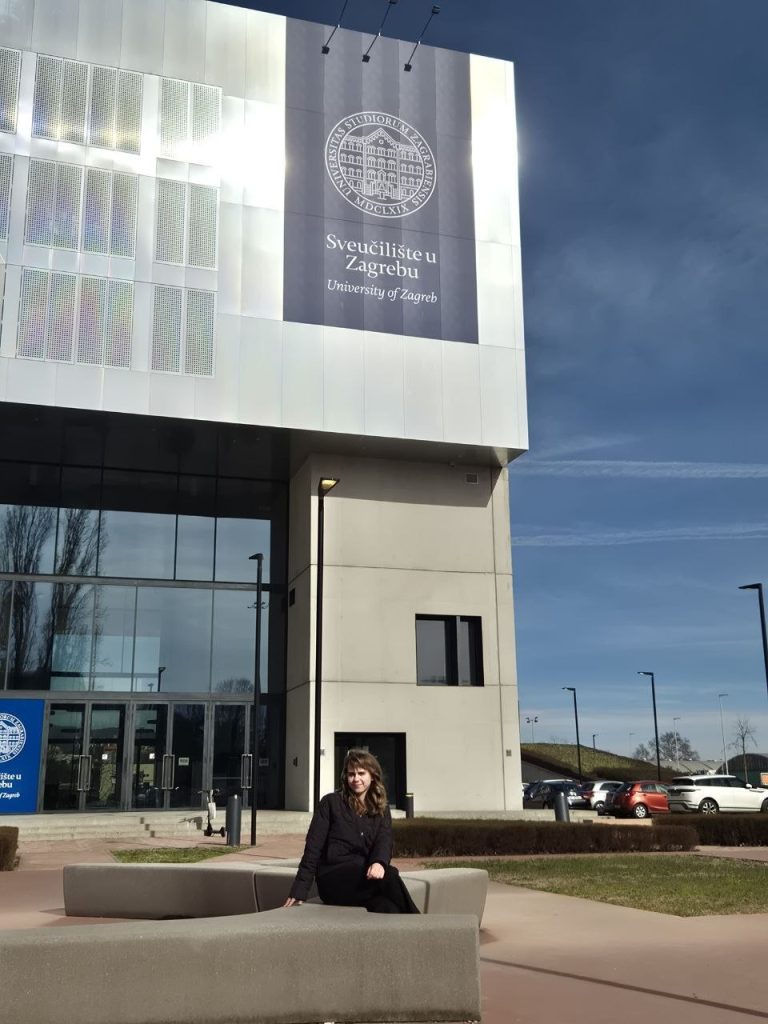
I am studying Adult Education and Continuing Education within the Master’s programme in Educational Science. I chose this Faculty because my home university has a cooperation agreement with the host university, which allowed me to take courses that could be recognised and credited in my home university transcript. This was especially important as my specific study programme does not exist at the host university.
My academic experience was overall very enriching. There were around fifteen international students, and most courses were attended together with Croatian students, which created a positive and authentic learning environment. Although the Faculty mainly offers courses for teacher education students, studying from a different academic background broadened my perspective. Attendance is mandatory in almost all courses, which initially surprised me, but teaching methods were varied and engaging, including lectures, group work, presentations, and independent learning. In some cases, courses only for international students offered a more relaxed atmosphere. Throughout my stay, I also received excellent support from professors, coordinators, and administrative staff, who were always helpful and approachable.
Organising my courses required independence, as students need to arrange their own schedules and communicate with professors individually. Planning was sometimes challenging due to overlapping courses, limited options, or cancellations, especially since courses are offered separately in winter and summer semesters. To ensure I could earn enough credits, I also took courses at the Faculty of Business through horizontal mobility, which provided a good academic balance and variety.
I lived in a shared flat found through Facebook, paying around 450 € per month. It was close to the city centre and well connected by public transport, which is reliable, affordable, and convenient for students. Social life in Zagreb was one of the highlights of my Erasmus experience. The Erasmus Student Network (ESN) organised numerous activities, which made it easy to meet people and engage with the international community. The city’s café culture and central location also allowed me to travel to six different countries during my stay.
The cost of living in Zagreb is generally affordable and slightly lower than in Germany. Student canteen meals cost around 1 €, although vegetarian options were somewhat limited. Despite some organisational challenges, my Erasmus stay offered a very valuable combination of academic growth, cultural experiences, and personal development, leaving me with lasting memories and international connections.
O n g o i n g
P r o j e c t s
DEMOhub

FORMALS-2

RAPID

RjeŠko
AECED